
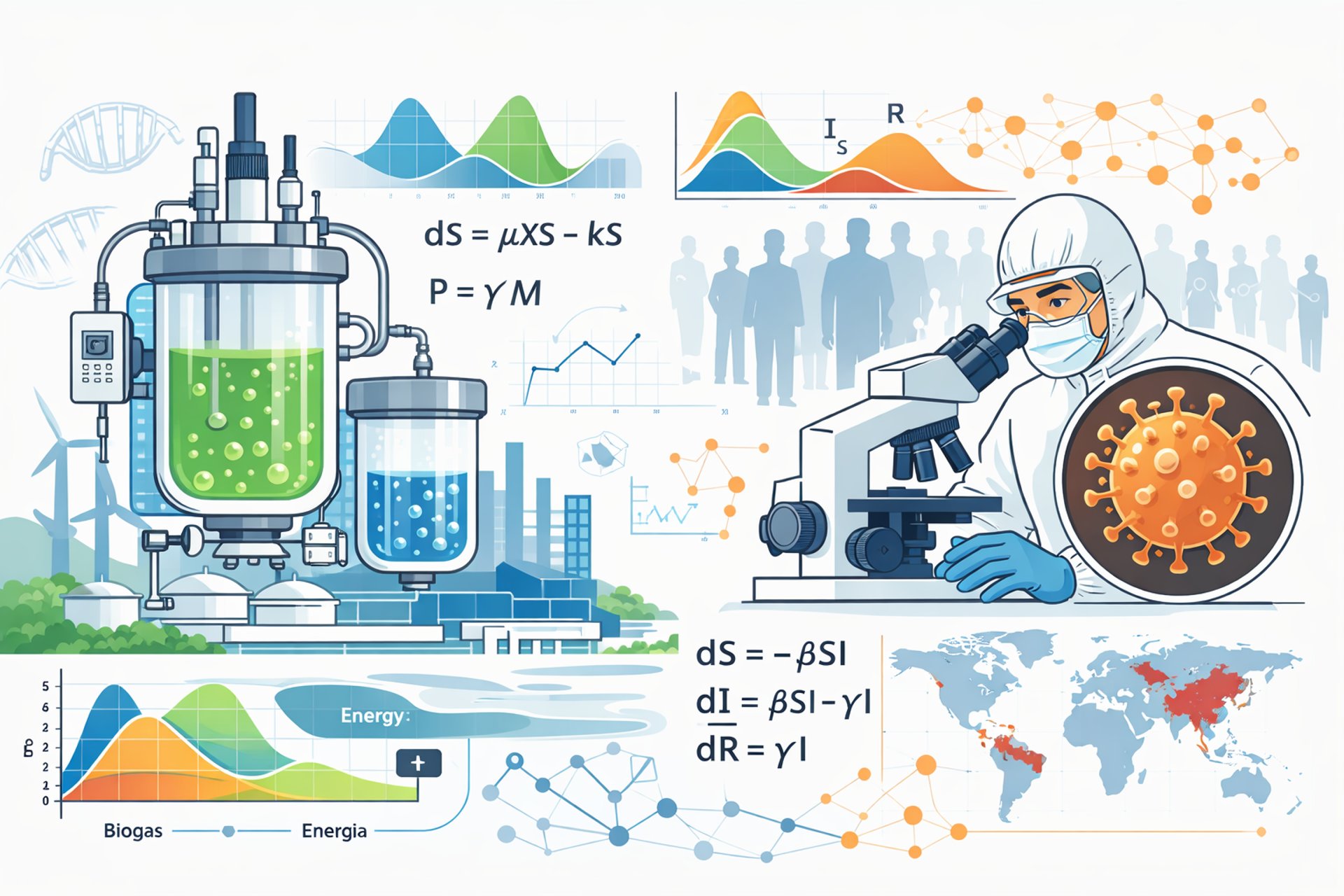
Environmental Bioprocess & Epidemiology Modelling (EnvBioProM) Lab
Modelling microbial bioprocesses and infectious disease dynamics mechanistically in a data-dominated world
"We need mechanistic models in our data-rich era"
"The massive availability of data has transformed both bioprocess engineering and epidemiology. High-resolution sensing, omics technologies, digital surveillance, and large observational datasets now allow us to track microbial systems and infectious disease dynamics with unprecedented detail. Even though not all data are created equal in their quality or informative value for truth seeking in complex biological systems; their sheer abundance has been encouraging much reliance on correlation-driven approaches, often at the expense of understanding why biological systems behave as they do.
Our research is grounded in a clear conviction: without mechanisms, there is no scientific learning. Correlations may reveal patterns and support short-term prediction, but on their own they do not provide explanation, nor do they allow reliable extrapolation beyond observed conditions.
In microbial systems, understanding cells' resources allocation, response to constraints and interaction within communities is essential for designing robust, scalable and controllable bioprocesses.
In epidemiology, surveillance data and statistical associations, without explicit mechanistic structure, offer limited insight into transmission pathways or the true impact of possible interventions. Mechanistic models are indispensable for linking data to causality, evaluating counterfactual scenarios and supporting decision-making under uncertainty in infectious disease systems".


Our two main research areas
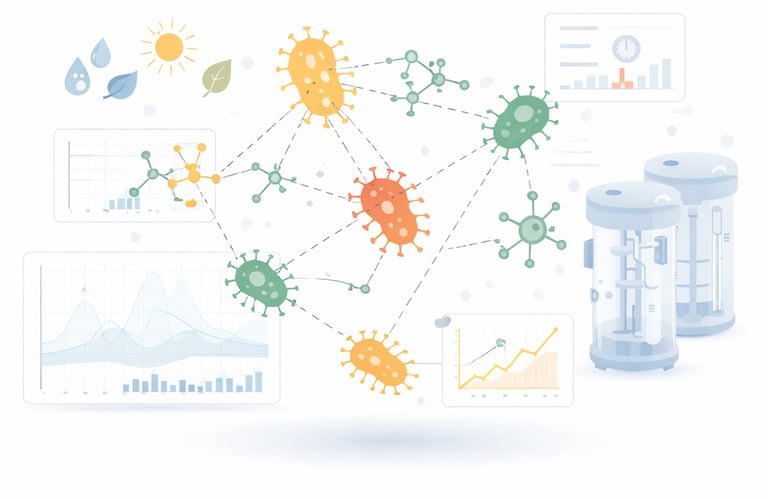
Environmental microbial bioprocesses
Modelling and experimental biological wastewater treatment, anaerobic digestion, microbial fermentations, bioelectrochemical systems, advanced optimal control.
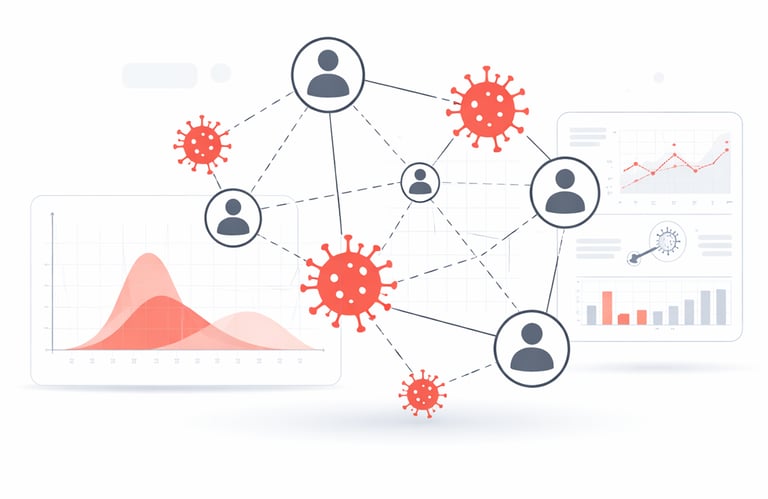
Epidemiological modelling of infectious diseases
Epidemiology modelling of infectious diseases (incl. COVID19, tuberculosis, dengue fever); modelling propagation, impact of interventions, optimal vaccination rollouts.
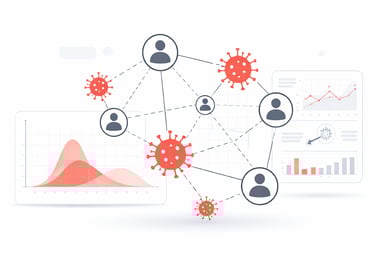
Part of- and fully aligned with Khalifa University's research ecosystem, we build mechanistically interpretable, process-based models that integrate data without being subordinated to it. With this work, by explicitly representing biological and epidemiological mechanisms, we aim not merely to fit the past, but to explain the present and reason about unobserved scenarios in both engineered microbial systems and the spread of infectious diseases.